The industrial processing sector encompasses a wide range of applications, including mechanical manufacturing, precision grinding, material handling, and chemical reactions. Traditional metal components fail rapidly when exposed to abrasive materials, high temperatures, and corrosive media, leading to frequent downtime and wasted resources. Silicon nitride ceramics offer a combination of advantages, including high hardness (HV 1500), high fracture toughness, self-lubrication, and corrosion resistance, making them an ideal replacement for tungsten carbide and wear-resistant alloys. The use of silicon nitride components can significantly extend equipment uptime, reduce maintenance costs, and minimize the use of lubricating oils and greases. At the same time, lightweight designs help lower equipment energy consumption, making them a key component in lean manufacturing and green factory upgrades.

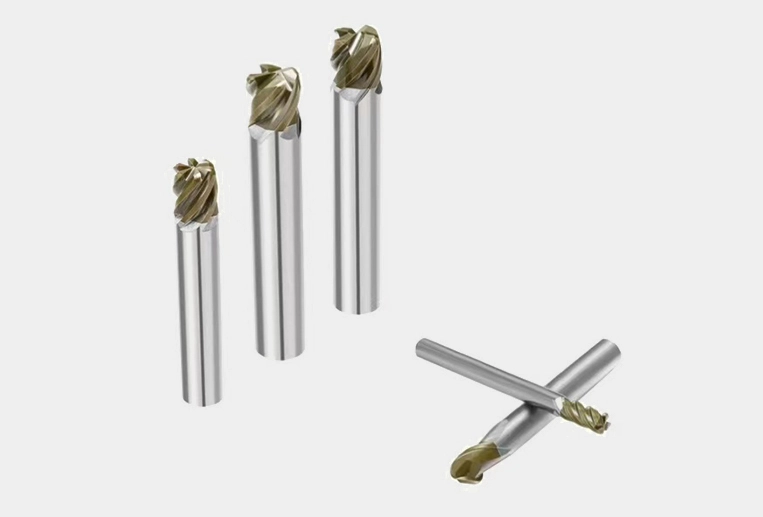
Suitable for high-speed turning and milling, as well as continuous machining of difficult-to-machine materials such as gray cast iron, ductile iron, heat-resistant alloys, and nickel-based alloys. Silicon nitride inserts can withstand high temperatures and red hardness, allowing for a 30–50% increase in cutting speed. At the same time, dry machining eliminates the need for coolant, and tool life can reach up to four times that of carbide, significantly reducing the unit processing cost per part and the burden of coolant disposal.

Used in high-speed machine tool spindles, turbo molecular pumps, screw air compressors, and other precision rotating equipment. Silicon nitride ceramic balls achieve a precision grade of G5 or higher, with a 40% increase in maximum rotational speed compared to steel balls and a 20% reduction in operating temperature rise. They require no oil mist lubrication, simplifying the lubrication system and eliminating oil-air emissions.

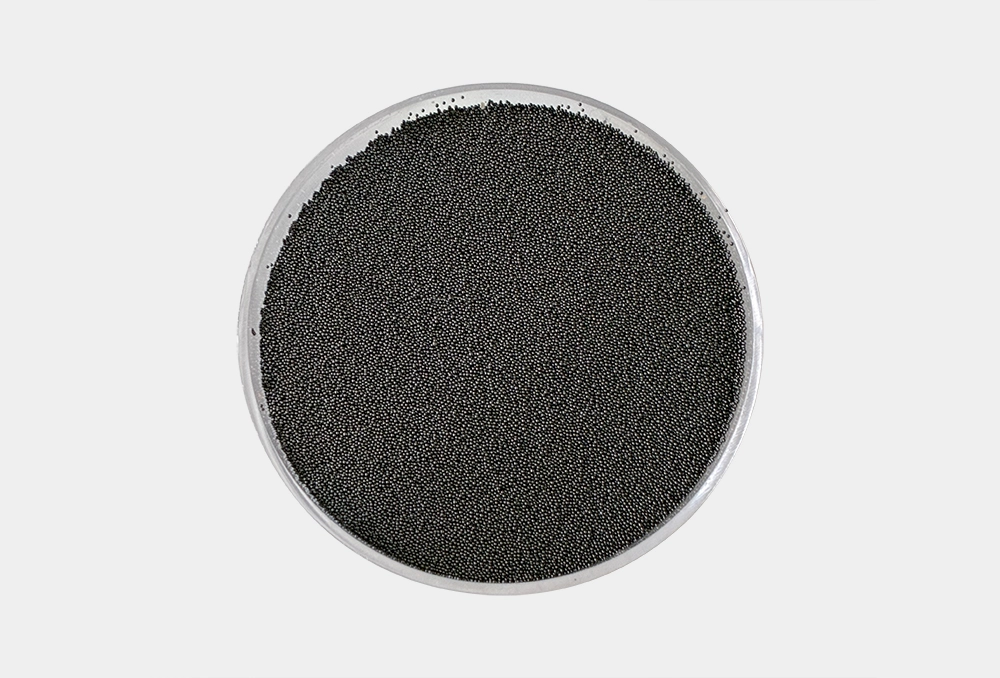
Used for wet or dry grinding of high-purity powders (battery cathode materials, MLCC ceramic powders, pigments). Silicon nitride microbeads have moderate density and three times the wear resistance of zirconia. They do not introduce metallic impurities, ensuring product purity, and reduce bead consumption by 60%, thereby minimizing solid waste and the labor intensity associated with frequent bead replenishment.

Used in precision positioning applications such as automated assembly lines, inspection fixtures, and welding jigs. Silicon nitride positioning pins exhibit minimal wear even after prolonged use and have a low coefficient of thermal expansion, maintaining repeatable positioning accuracy despite temperature fluctuations in the workshop. This extends the service life of tooling and fixtures, reduces the frequency of fixture calibration, and lowers the scrap rate.

Used in dynamic sealing applications such as chemical pumps, rotary joints, and mechanical seals. The end faces of silicon nitride seal rings are resistant to acid and alkali corrosion (except for hydrofluoric acid). They maintain low leakage even during dry operation or when handling particulate-laden media, and have a service life 2–3 times longer than that of silicon carbide or alloy seal rings, thereby reducing production downtime caused by maintenance and replacement, as well as the risk of media leakage.

Used in sandblasting machines, air-jet mills, spray drying towers, and exhaust gas treatment systems. Silicon nitride nozzles feature stable internal bore dimensions and are resistant to high-speed gas erosion. They last 3 to 5 times longer than carbide nozzles and do not shed hard particles that could contaminate the material, ensuring process stability and reducing the frequency of nozzle replacement.

Used for classifying fine powders (such as lithium battery materials, rare earths, and pharmaceutical powders) in air classifiers. The blades of the silicon nitride classifier wheel are thin yet strong and tough, capable of withstanding linear velocities of up to 150 m/s. They do not contaminate the material even after wear, ensuring stable classification accuracy. Their service life is more than 10 times longer than that of 45 steel, significantly reducing downtime and cleaning costs in the production of ultrafine powders.

Used in high-speed centrifugal compressors, exhaust gas turbochargers, and micro gas turbines. Silicon nitride turbine rotors have a low density (3.2 g/cm³), resulting in a weight reduction of more than 50% compared to metal rotors. This reduces start-up and shutdown inertia, minimizes deformation at ultra-high speeds, eliminates the need for complex cooling systems, and effectively improves the overall energy efficiency of the unit while reducing bearing loads and lubricant consumption.

Used for lining elbows in material conveyance pipelines, chutes, mixing tanks, and the base plates of scraper conveyors. Silicon nitride wear-resistant plates are secured to high-wear areas using epoxy or bolts. Leveraging their high hardness (HV 1500), they withstand prolonged impact and abrasive wear from sand, gravel, coal powder, and slurry. Their service life is 6 to 10 times longer than that of high-chromium cast iron, reducing the frequency of downtime for liner replacement and minimizing maintenance waste.

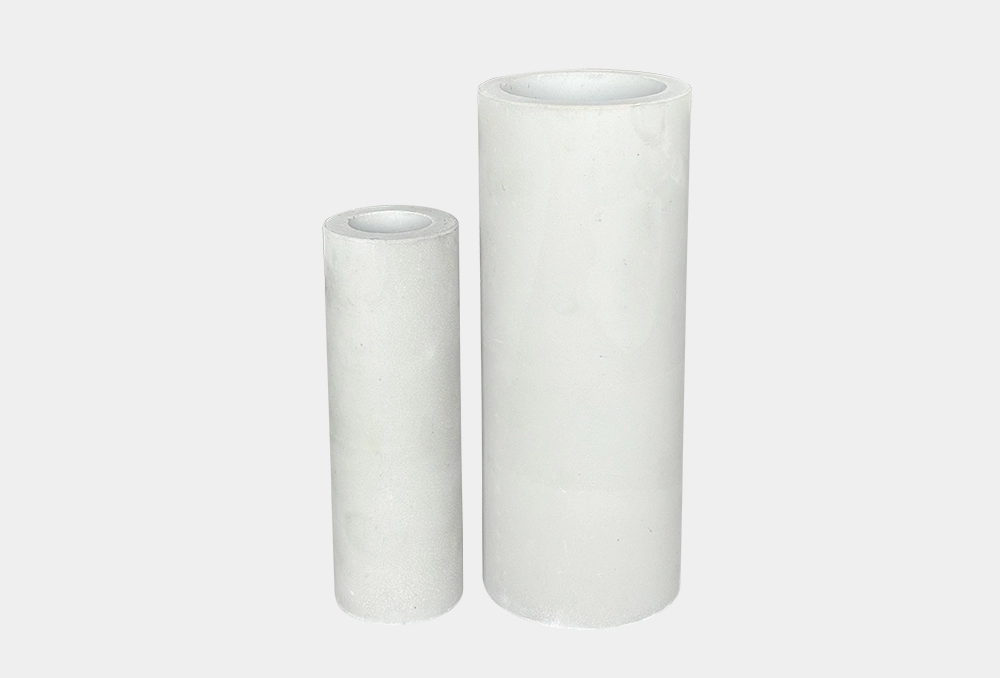
Used in hydraulic or high-wear cylinders for injection molding machines, extruders, plunger pumps, and similar equipment. The silicon nitride liner features a smooth, dense surface with a low coefficient of friction; when paired with mating components, it exhibits minimal wear, effectively preventing “cylinder scoring” failures. Additionally, its resistance to corrosive media extends the overall service life of the cylinder by more than three times, reducing the risk of hydraulic oil leaks and the carbon emissions associated with cylinder remanufacturing.