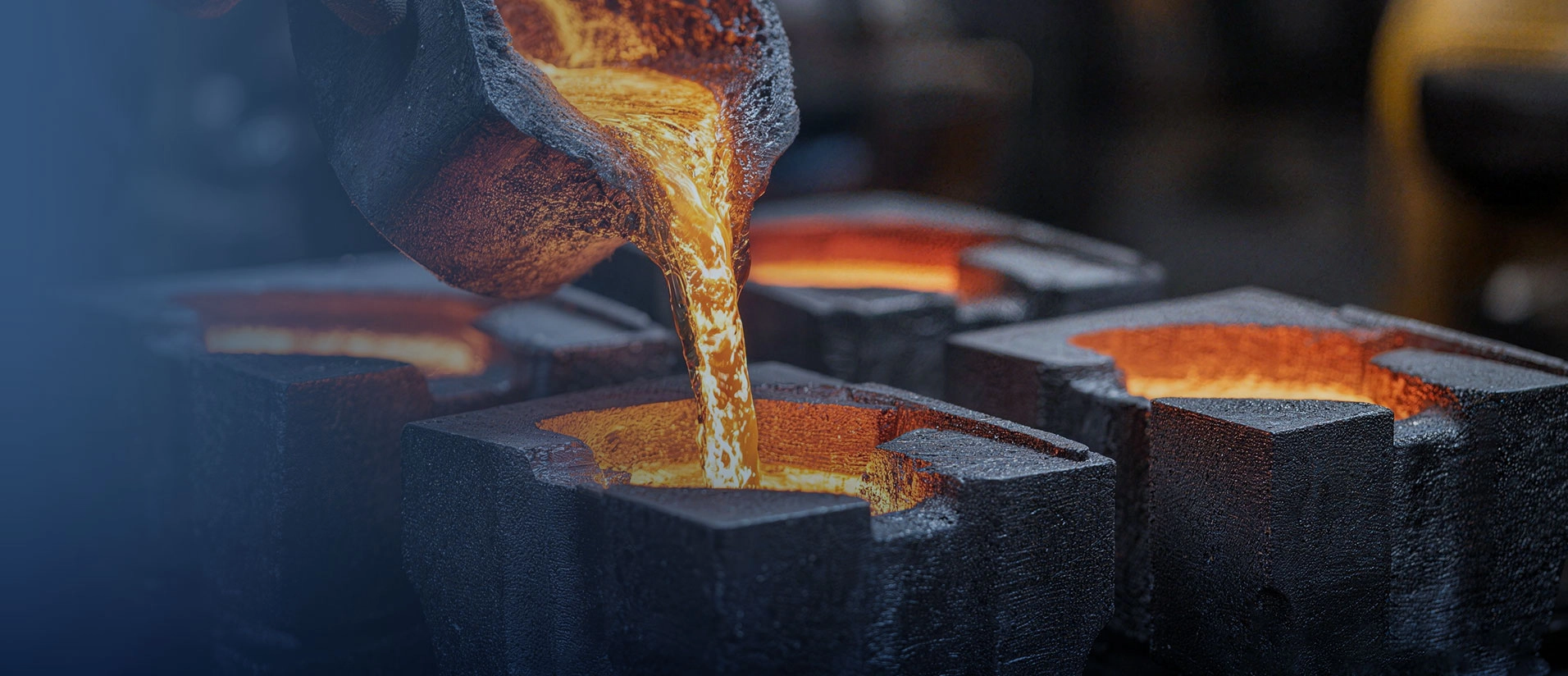
The metallurgical industry involves processes such as high-temperature smelting, refining, and casting of non-ferrous metals like aluminum, copper, and magnesium, as well as steel. Molten metals cause severe erosion of traditional refractory materials and metal components. Frequent replacement of these components not only increases costs but also leads to production interruptions, higher energy consumption, and increased waste. Silicon nitride ceramics exhibit “non-wetting” properties toward most molten non-ferrous metals at high temperatures. They also possess excellent thermal shock resistance, chemical stability, and mechanical strength, which can significantly extend the service life of components in contact with molten aluminum, copper, and other metals, reduce unplanned downtime, and lower the environmental footprint per unit of output.

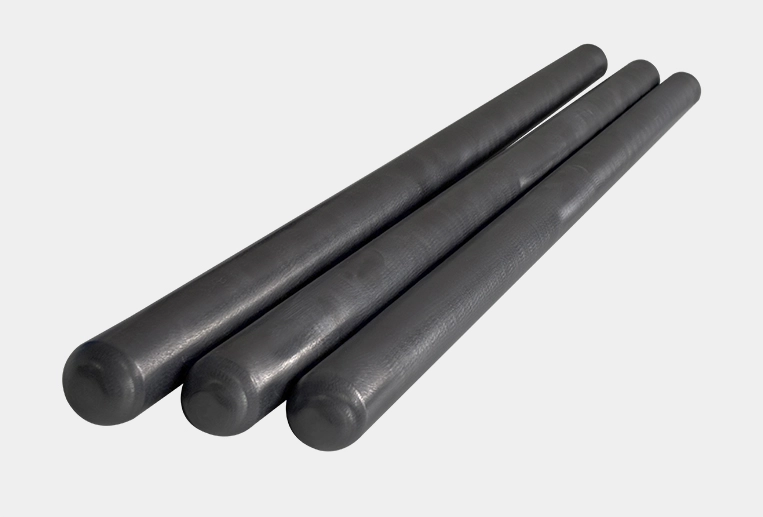
Used for low-pressure casting of non-ferrous metals and as spout tubes for smelting furnaces. Silicon nitride spout tubes do not adhere to aluminum or introduce iron, thereby preventing iron contamination of molten aluminum caused by traditional cast iron spout tubes. They require no preheating and can be inserted directly into molten aluminum without cracking. Their service life is 5 to 8 times longer than that of cast iron tubes, reducing the frequency of furnace shutdowns for replacement, as well as energy consumption and solid waste.

A critical protective component for temperature measurement in metallurgical furnaces (aluminum melting furnaces, holding furnaces, and refining furnaces). The silicon nitride protective sleeve is resistant to corrosion from molten metal, oxidation, and thermal shock. It remains leak-free even after long-term use, ensuring measurement accuracy and response speed. It prevents thermocouple failure and contamination of molten metal caused by corrosion of the protective tube, thereby supporting precise temperature control and energy conservation in the furnace.

A core component of online degassing systems for non-ferrous metals (aluminum and copper alloys). The silicon nitride rotor maintains its structural integrity even under high-speed rotation and the erosion of high-temperature molten metal; it does not flake off or contaminate the molten metal. Its service life is more than four times longer than that of graphite rotors, ensuring that hydrogen content is consistently maintained below 0.1 ml/100 g and reducing energy consumption and carbon emissions associated with remelting scrap.

Used in metallurgical bottom-blowing furnaces or refining powder injection systems. Silicon nitride gas nozzles are resistant to high temperatures and slag corrosion, feature a uniform pore structure that prevents clogging, and allow for precise control of gas flow. This increases refining efficiency by more than 30% while eliminating downtime caused by nozzle damage and reducing maintenance costs and energy consumption.