Igniters, heating elements, and switching components in household and industrial appliances operate continuously under harsh electrothermal conditions, including high temperatures, arcing, and oxidation. Traditional metal or metal-ceramic igniters are prone to high-temperature oxidation, arc erosion, and performance degradation. Silicon nitride ceramics offer excellent resistance to high-temperature oxidation, high dielectric strength, low thermal expansion, and high fracture toughness, making them an ideal substrate material for manufacturing durable igniters (such as those used in gas stoves, gas water heaters, ovens, and boilers). Silicon nitride igniters can achieve instantaneous high temperatures and have a service life exceeding 100,000 ignitions. They do not produce the carbon deposits and ablation commonly found in spark plugs, thereby reducing electrical failures and the need for repairs or replacements, and lowering electronic waste throughout the product’s entire lifecycle.

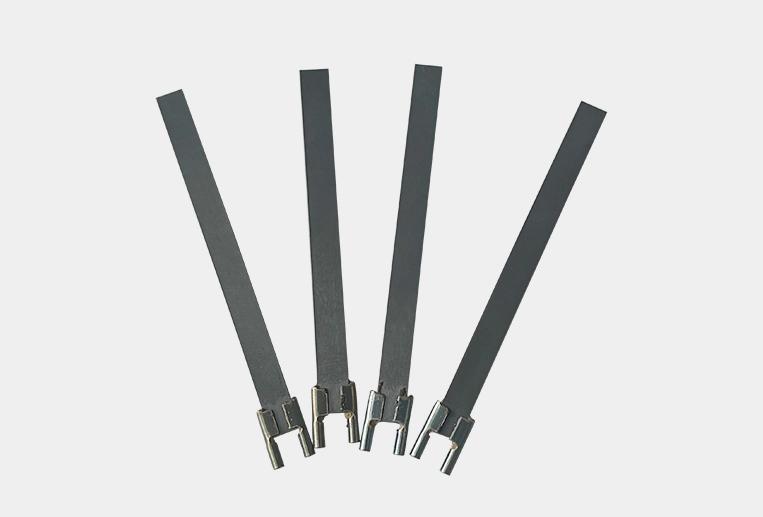
Silicon nitride electric ignition points (also known as glow plugs or ignition needles) consist of a high-purity silicon nitride ceramic matrix with an embedded tungsten or molybdenum resistance wire. When energized, the surface heats up rapidly, enabling fast, flameless ignition in gas or fuel environments.
Key Advantages:
Long Service Life: Resists cracking during dry heating and oxidation; supports ≥100,000 ignition cycles, far exceeding traditional metal igniters (approximately 30,000–50,000 cycles);
High-Temperature Shock Resistance: Withstands direct immersion in flames from room temperature without cracking;
Insulation Safety: High volume resistivity prevents electrical leakage and spark-induced short circuits;
Low Power Consumption: Rapid heating, requiring only 1–2 seconds per ignition, with low energy consumption.
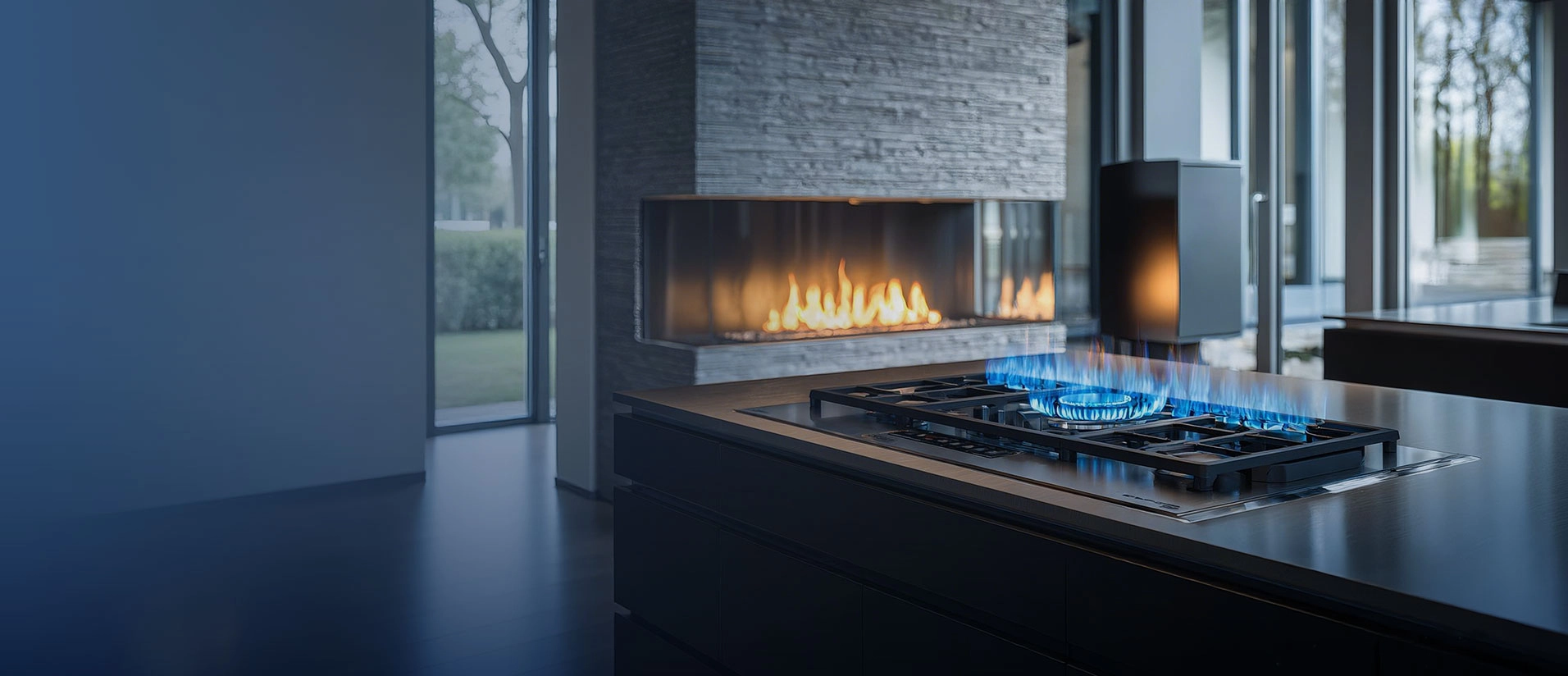
Used in high-end gas stoves, wall-mounted boilers, commercial ovens, industrial burners, and other applications, it significantly reduces appliance failure rates and helps manufacturers meet stricter energy efficiency and environmental standards.