The global energy transition has set higher standards for power generation equipment, power transmission and distribution systems, and renewable energy equipment—demanding greater efficiency, longer service life, and lower maintenance costs. Silicon nitride ceramics play the role of a “hidden champion” in wind power generation, photovoltaic inverters, energy storage systems, and traditional power plants: their electrical insulation, high thermal conductivity, wear resistance, and corrosion resistance address industry challenges such as partial discharge in high-voltage electrical equipment, bearing electro-erosion, and insufficient heat dissipation. The use of silicon nitride components reduces transmission losses, enhances the reliability of power electronic systems, and extends equipment maintenance intervals, directly contributing to the efficient and stable output of clean energy.

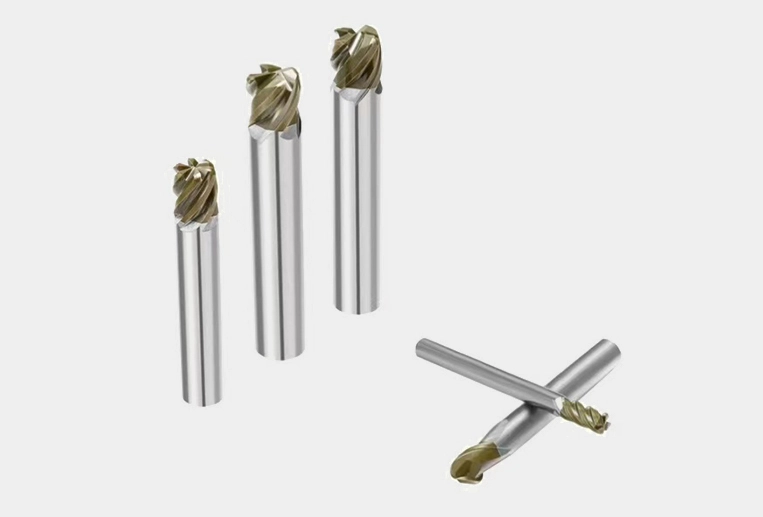
Used for precision machining of large-scale energy equipment such as wind turbine gearboxes, tower flanges, and nuclear power valves. Silicon nitride cutting tools enable high-speed dry machining of cast iron and nickel-based alloys without the need for coolant, offering extended tool life and superior surface finish. They reduce energy consumption and waste liquid discharge, thereby supporting green manufacturing in the energy equipment sector.

The ideal rolling elements for wind turbine main bearings, yaw and pitch bearings, and high-speed generator bearings. Silicon nitride ceramic balls are low-density, self-lubricating, and non-conductive, effectively eliminating electro-erosion failure (addressing bearing damage caused by common-mode voltages in power converters). They operate reliably without external lubrication, significantly extending the maintenance and replacement intervals for high-cost, large bearings and reducing the carbon footprint of wind farm operations and maintenance.

Used in energy transmission equipment such as water pumps, oil pumps, compressors, and hydraulic systems. Silicon nitride seal rings feature an extremely low coefficient of friction and are highly resistant to corrosion and wear. They provide long-lasting, stable sealing under oil-free or fluid-lubricated conditions, reducing leakage rates by more than 50%. This minimizes fluid loss and reduces the frequency of seal replacements, thereby improving the overall efficiency of energy transmission systems.