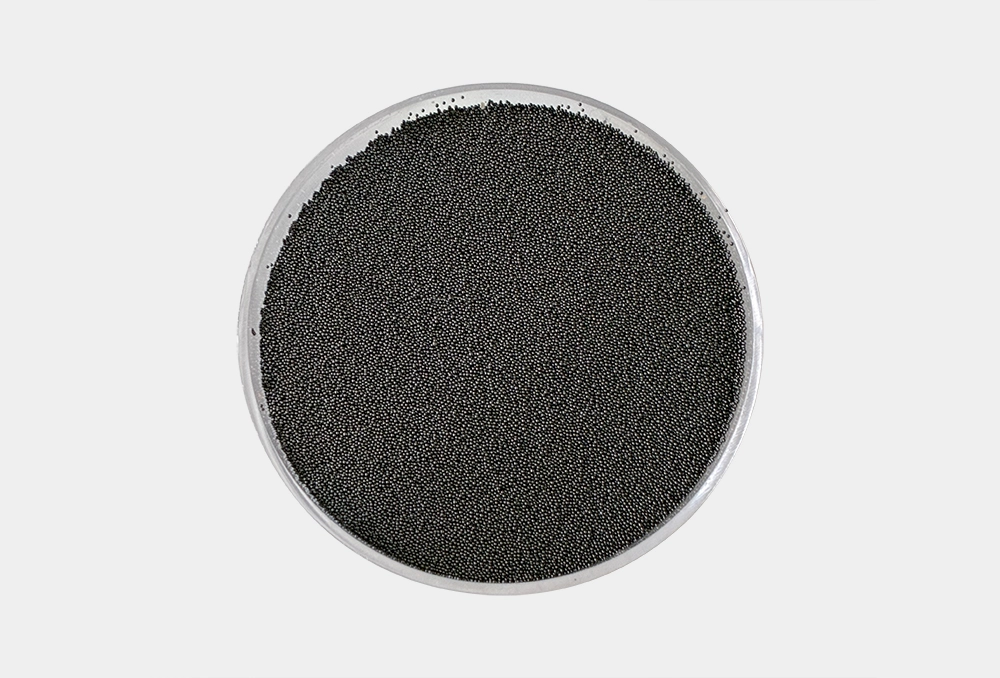
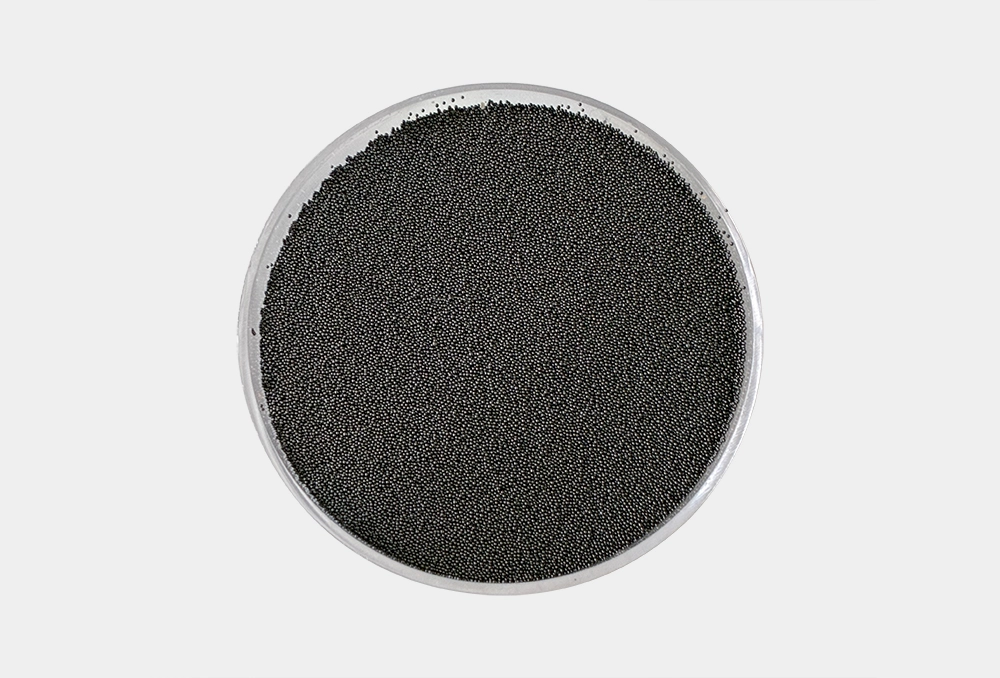
Silicon nitride ceramic grinding balls are high-performance grinding media used for processes such as ultra-fine pulverization, dispersion, grinding and mixing.
Compared with traditional alumina balls, zirconia balls and steel balls, silicon nitride ceramic grinding balls feature higher hardness, lower wear rate, better corrosion resistance and non-contamination properties. They are especially suitable for fields with extremely high requirements on powder purity, including electronic materials, pharmaceuticals and fine chemicals.
| Test item | Unit | Index range |
| Density | g/cm³ | 3.2 |
| Vickers Hardness (HV10) | kgf/mm² | 1400~1500 |
| Flexural Strength | MPa | 700 |
| Fracture Toughness | MPa·m¹/² | 6.5 |
| Wear Rate (wet grinding, 12 h) | mg/(kg·h) | ≤400 |
| Recommended Maximum Service Temperature | ℃ | 1200 |
| Color | – | Gray-black/Dark gray |
Silicon nitride ceramic grinding balls are available in a full range of sizes, from micro-sized to large-sized grinding media.
| Nominal Diameter (mm) | Recommended Applications | Packaging |
| 0.8~1 | Nanoscale grinding, pigment dispersion, electronic pastes | Bottled/Barrel |
| 1.5~2 | Battery anode and cathode materials, catalysts | Bottled/Barrel |
| 2.5~3 | Ceramic slurries, magnetic materials | Barrel |
| 4~5 | Coatings, inks, pesticide suspensions | Barrel |
| 6~8 | Mineral powders, metallurgical powders | Bag/Barrel |
| 10~12 | Heavy-duty grinding, raw materials for building materials | Bag |
Other sizes can be customized to meet customer requirements.
1. Extremely high hardness and wear resistance: Vickers hardness (HV) 1400–1500, with an extremely low wear rate (only 1/5 to 1/10 that of alumina balls), resulting in low media consumption and reduced replacement frequency.
2. High density (3.20 g/cm³) and moderate impact energy, enabling effective material pulverization without damaging equipment due to excessive weight.
3. No metal contamination: Free of metallic elements such as iron and chromium; generates no magnetic foreign matter during grinding, making it suitable for materials sensitive to metal impurities, such as electronic pastes, catalysts, and pharmaceutical raw materials.
4. Strong corrosion resistance: Resistant to acids, alkalis, and organic solvents, making it suitable for various corrosive slurries.
5. High-temperature resistance: Maintains stability during high-temperature grinding (e.g., hot-melt processes) or drying.
6. Excellent sphericity and smooth surface minimize wear on the mill lining, extending equipment lifespan.
7. Good self-lubricating properties and low frictional heat during grinding, making it suitable for heat-sensitive materials.
1. Lithium-ion battery materials: Nanoscale grinding of cathodes (lithium iron phosphate, ternary materials) and anodes (silicon-carbon, graphite).
2. Electronic pastes: High-purity dispersion of conductive silver paste, dielectric paste, and resistive paste.
3. Fine chemicals: Grinding and dispersion of catalysts, pigments, dyes, pesticide suspensions, coatings, and inks.
4. Ceramic Raw Materials: Preparation of advanced ceramic powders such as silicon nitride, silicon carbide, alumina, and zirconia.
5. Mineral Processing: Ultrafine grinding of non-metallic minerals such as kaolin, calcium carbonate, mica, and talc.
6. Powder Metallurgy: Mixing and pre-grinding of metal powders.